Published 1 month ago by Saurabh Kathuria
Artificial Intelligence is changing the way we work at a speed we have never seen before.
Every week we see new AI tools, smarter chatbots, autonomous agents, robotics, and automation entering the workplace. Industries are adopting intelligent machines. Offices are automating repetitive work. Manufacturing plants are becoming smarter. Customer service is increasingly handled by AI. Even creative work like writing, designing, and coding is now assisted by machines.
Ironically, this article itself was proofread by AI rather than a human editor. A few years ago, that would have been unthinkable.
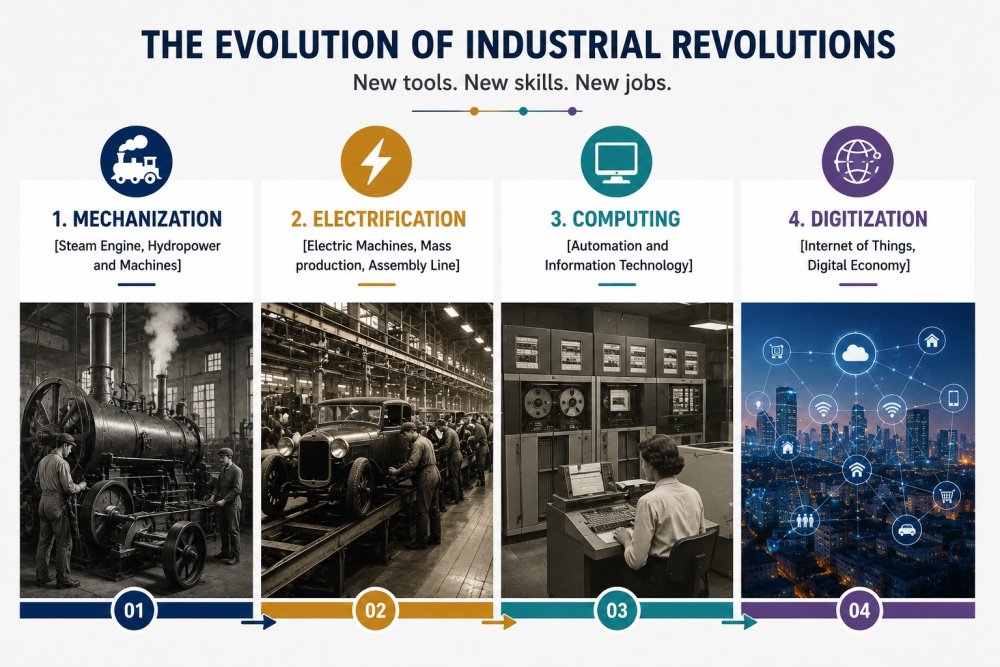
Every industrial revolution has changed the tools we use and the skills required to perform the jobs. From Mechanization [Steam Engine, Hydropower and Machines], Electrification [Electric Machines, Mass Production, Assembly Line], Computing [Automation and Information Technology], to Digitization [Internet of Things, Digital Economy] - We have seen evolutions of new jobs and more jobs.
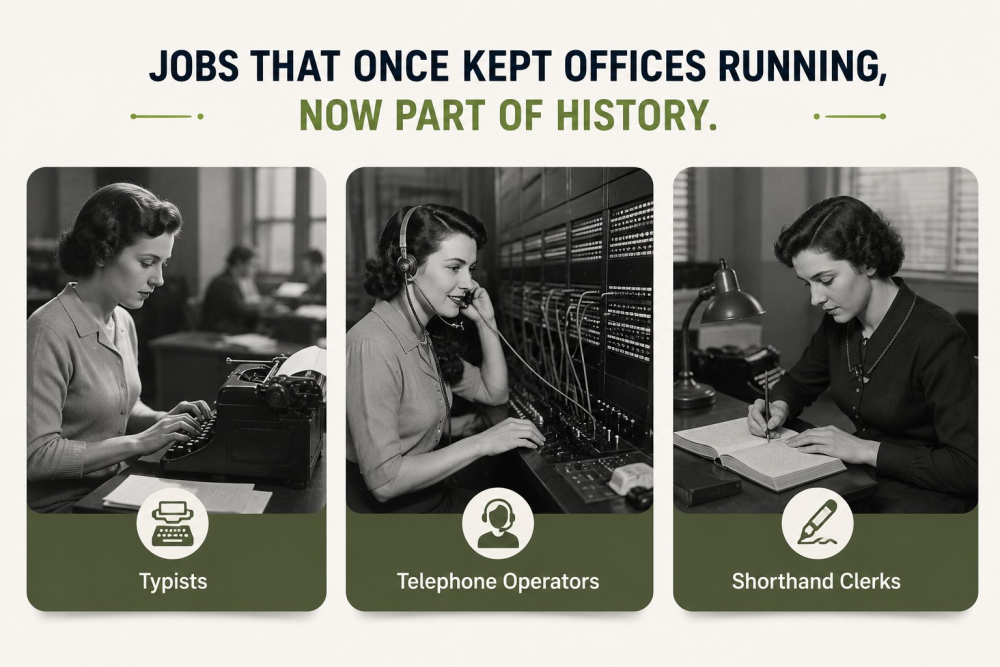
History tells us that technology always changes jobs. We no longer see typists in offices. Film processing labs have disappeared. Telephone operators are gone. Many repair businesses have changed. Cashiers are being replaced by self-checkout systems. Every technological shift has made some skills less valuable while creating demand for entirely new ones.
Now we have reached the era of Artificial Intelligence, where the change is much faster than the earlier revolutions. Faster growth of companies and much faster decay of companies that do not change.
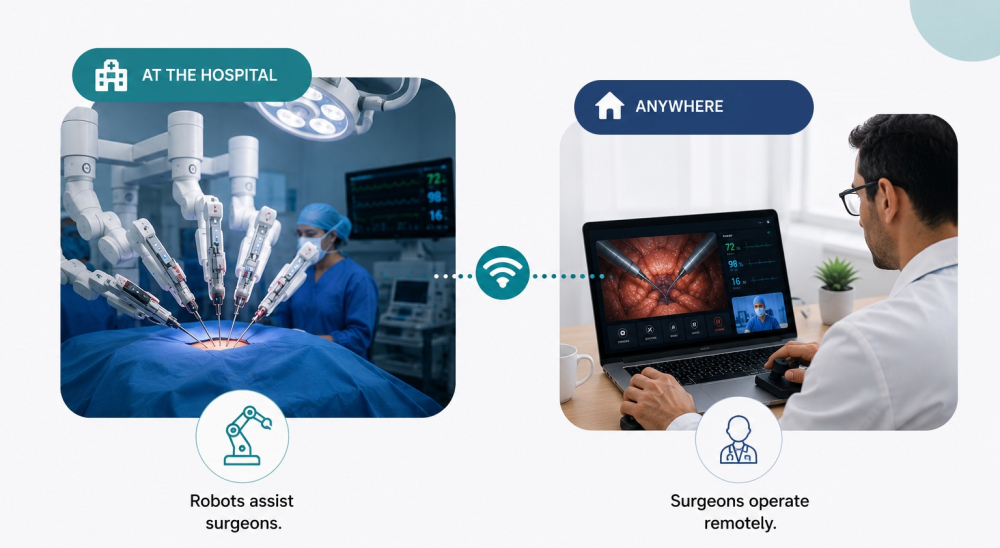
Today, robots assist surgeons during complex surgeries. Drones inspect infrastructure, spray pesticides, sow seeds, and deliver packages. Hotels use robots to deliver food to guest rooms. AI agents answer customer queries, prepare reports, write software code, and even create learning content.
There is hardly any profession that will remain untouched by AI, robotics, and automation.
Does that mean people will become irrelevant?
Certainly not. It means people will need to become different.
Upskilling Alone Is No Longer Enough
For years, the Learning & Development teams have focused on upskilling and reskilling employees.
Those initiatives remain important. But AI is creating a different challenge.
Many of the capabilities organizations now need have never existed before. Leaders must learn to work with AI and AI enabled workforce that might be more tech savvy than those who drive the business. Managers need to supervise both humans and intelligent systems. Employees must make better decisions using AI-generated insights while maintaining ethics, judgement, and accountability.
This is not simply learning another software application. It is learning a completely new way of working.
Josh Bersin, a prominent HR Thinker, emphasizes that organizations are entering an era where AI changes work itself, requiring companies to redesign jobs, leadership, and workforce capabilities—not just provide more training.

[Josh Bersin]
That distinction is important. Organizations do not simply need new skills. They need transformation.
The Biggest Transformation Will Be Human
Technology will continue to evolve. People must evolve even faster.
“The most successful transformations turn ideas into detailed business plans with trackable, time-bound metrics to measure outcomes. Ultimately, these business plans should result in value creation, cost savings, growth opportunities, and other improvements.”
Transformation efforts requires organization to enable people to rethink how they work, lead, collaborate, solve problems, and create value in an AI-driven world.
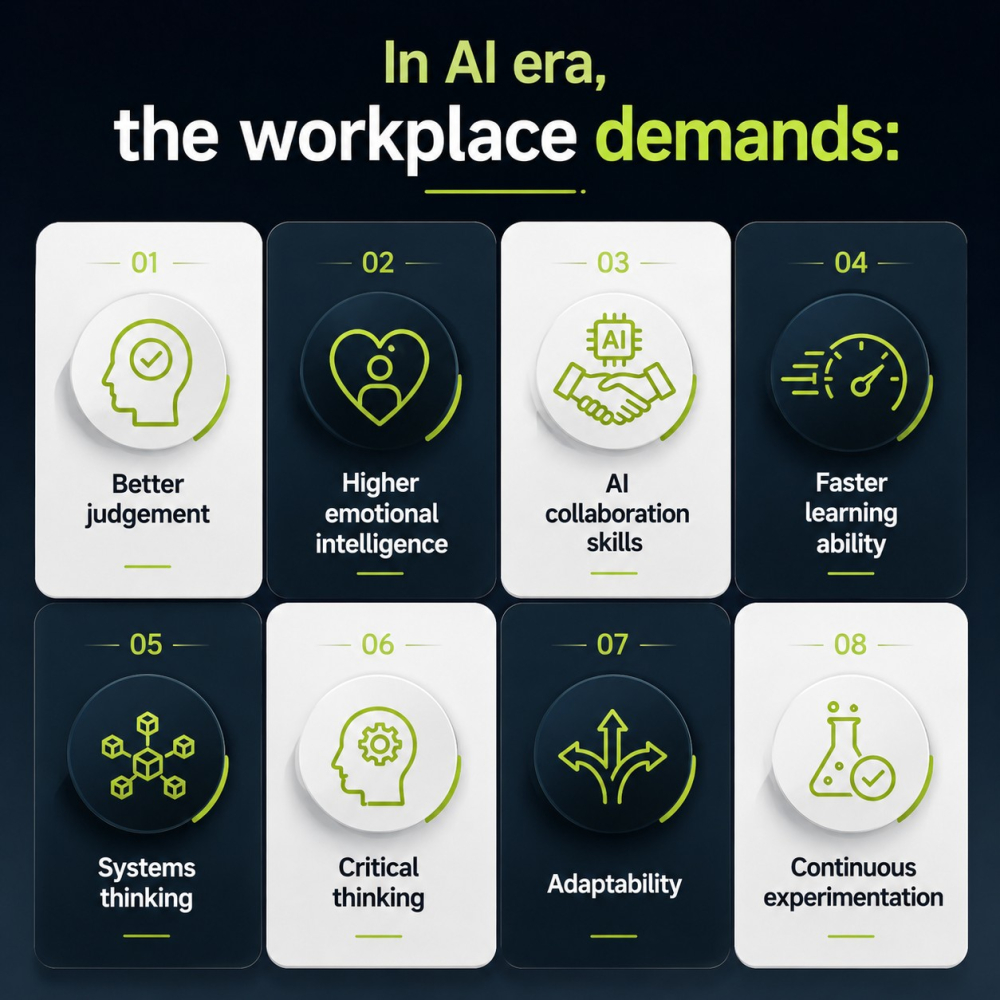
These capabilities cannot be developed through a few classroom sessions or another compliance course. They require deeper engagement that results in a mindset shift. To bring this shift, organization need to change the way they train people and enable them to learn.
Christopher Pappas, Founder of eLearning Industry, says, “AI should enhance learning experiences through personalization and better performance support, while keeping people at the center of learning. AI is an enabler—not a replacement for meaningful learning.”

[Christopher Papas]
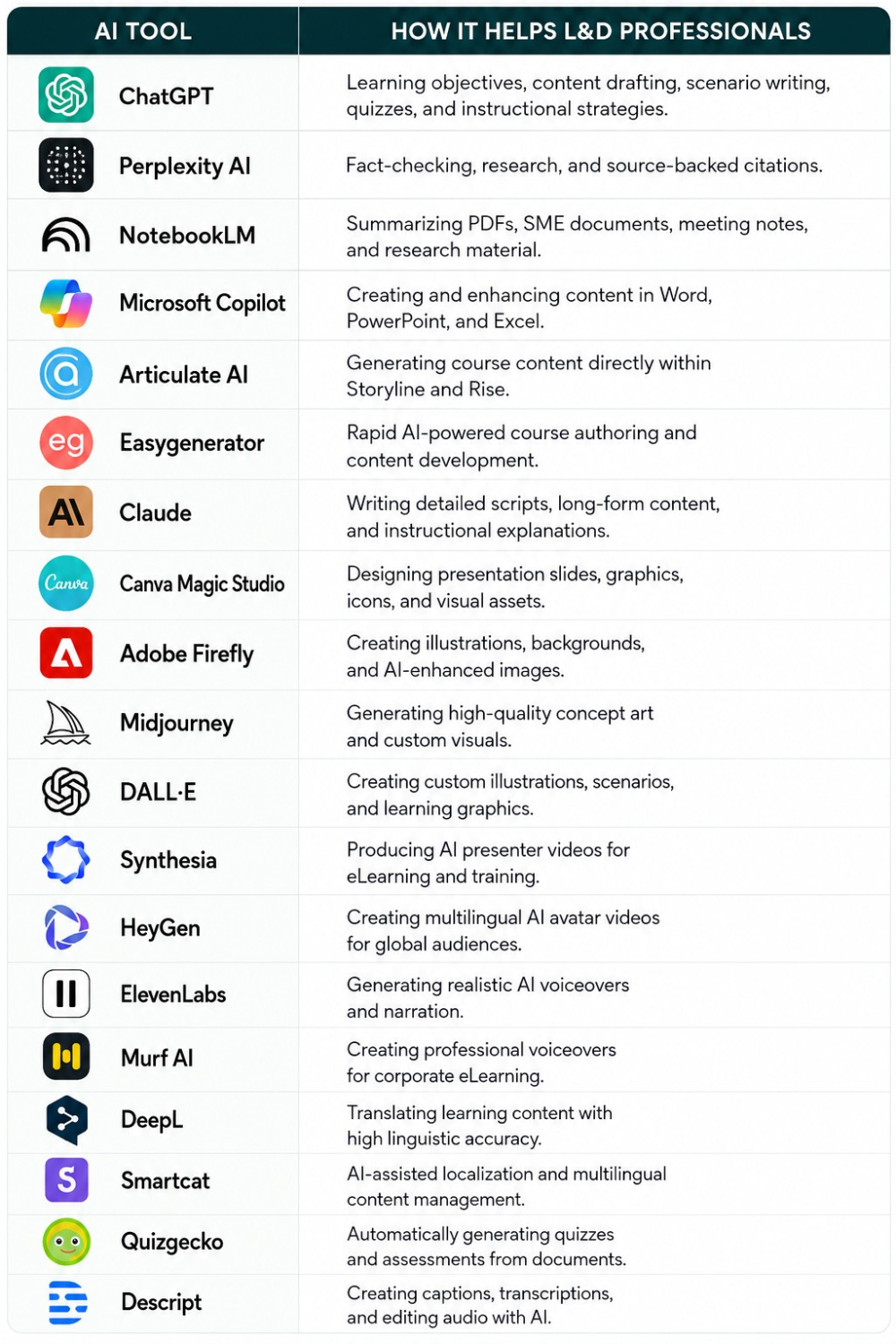
What will be our Tools of Transformation?
Learning & Development is already undergoing a transformation. AI is reshaping how L&D professionals identify capability gaps, design learning experiences, and develop learning strategies. Across the globe, L&D teams and Instructional Designers are leveraging AI tools to save time, reduce effort, and accelerate their transformation journey.
Managing Generation Z
Technology is already changing how younger generations think, learn, communicate, and solve problems.

Gen Z and the generations that follow have grown up with smartphones, instant information, AI assistants, and digital experiences. Managing this workforce requires more than updated management skills. It requires leaders to transform their leadership philosophy.
Traditional command-and-control leadership will become less effective. Future leaders must become coaches, facilitators, and learning champions.
Training & learning Enablement will play a key role in transformation
Most organizations already have a Learning & Development function. They have trainers, LMS platforms, and learning content. Most of these systems are good enough for skill development and behavior change.
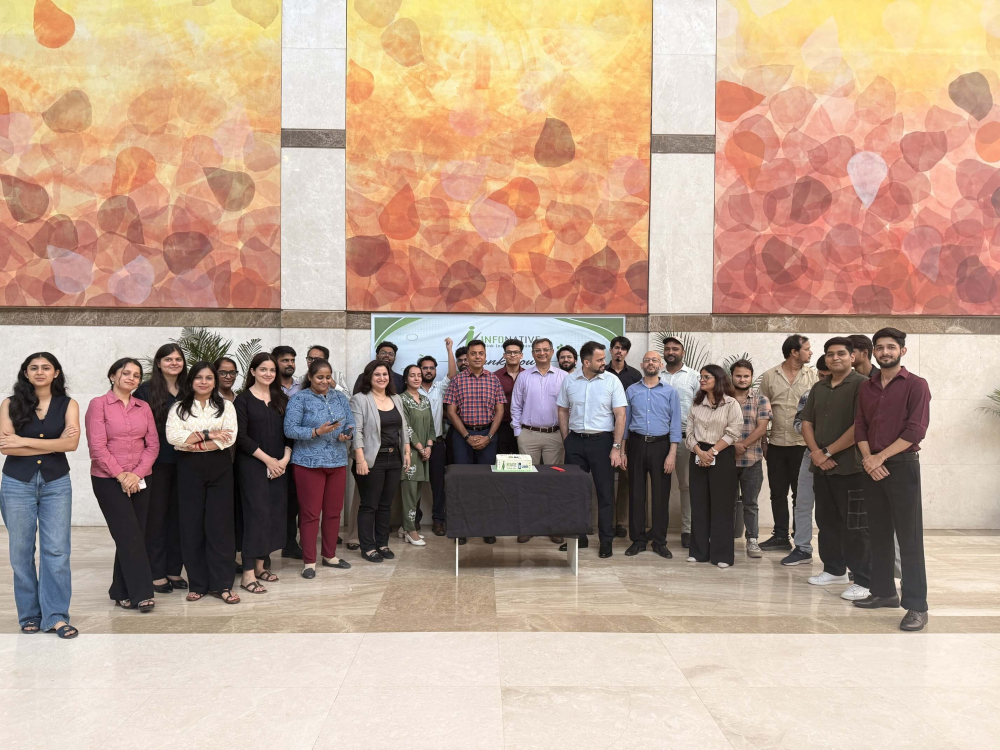
[Team Infonative Solutions]
Transformation is a different challenge. It's about pacing up with the speed of change. Transformation requires organizations to quickly identify future capabilities, redesign learning journeys, create new knowledge assets, experiment with AI-enabled learning, and continuously adapt as technology evolves.
This is where specialized learning partners become even more important.
Organizations need partners who understand industry changes, business evolution, learning science, instructional design, AI tools, and digital learning technologies.
At Infonative Solutions, we believe the next decade will not belong to organizations that simply train faster. It will belong to organizations that transform faster.